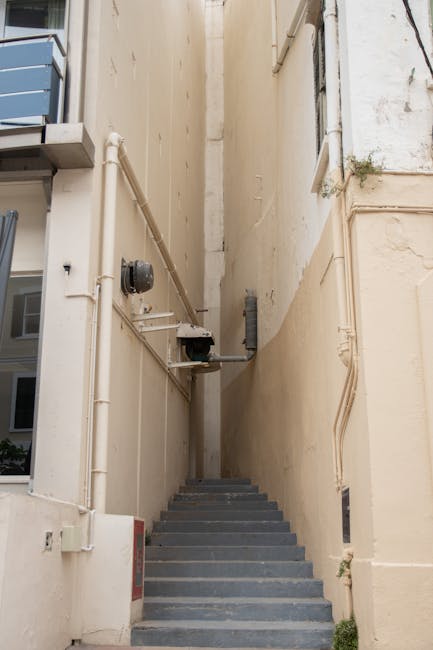
Solving narrow-stair access for Mitcham flat moves

Narrow staircases can turn a straightforward flat move into a careful puzzle. One awkward turn, a low ceiling, or a landing that feels a touch too tight, and suddenly the sofa, mattress, or washing machine becomes the main character in the room. If you are solving narrow-stair access for Mitcham flat moves, the good news is that there is a reliable way through it: measure properly, prepare the property, choose the right lifting method, and move in the right order. That is the calm version, anyway. In real life, it is often a bit more fiddly than that.
This guide breaks the process down in plain English so you can plan a safe, efficient flat move without guessing. You will see how access checks work, which items cause the most trouble, what to do before moving day, and when it makes sense to bring in experienced help. We will also cover practical local planning tips for Mitcham flats, because let's face it, older conversions and compact stairwells are part of the landscape.
Why Solving narrow-stair access for Mitcham flat moves Matters
A narrow staircase does more than slow a move down. It affects what can be carried, how many people are needed, whether protective covers are essential, and sometimes even whether an item can be moved in one piece at all. In a flat move, that matters for cost, timing, safety, and the condition of your furniture and walls. One small misjudgement can mean chipped paint, scraped banisters, or a bed frame that gets stuck halfway round a turn. Not ideal.
In Mitcham, many flats sit above older buildings, in converted houses, or in compact estates where stairwells were never designed for modern furniture. That does not mean a move is impossible. It just means access planning has to be treated as a first-class part of the job, not something you think about once the van is already outside and the kettle is packed away.
People often underestimate the knock-on effect. If a sofa will not turn on the landing, the team may need to remove feet, rotate vertically, use additional padding, or carry the item in a different sequence. If a mattress is too flexible, it may look easy until it folds at the wrong point. And if a piano is involved, well, that is a different kind of careful. For that, it can help to read about the risks of DIY piano relocation before you make any assumptions.
There is also a simple customer-experience reason this matters: when access is planned well, the move feels controlled. Nobody likes the sound of a box being squeezed sideways against a wall, or that brief silence where everyone wonders if the wardrobe is going to make it round the bend. You want momentum, not drama.
How Solving narrow-stair access for Mitcham flat moves Works
The process is basically about converting a difficult staircase into a predictable moving route. That sounds a bit grand, but it is really just a sequence of checks and decisions. First, you inspect the staircase itself: width, height, landings, turning points, bannisters, and overhead clearance. Then you match those measurements against the items being moved. After that, you decide which objects can be carried as they are, which need to be dismantled, and which might be safer going down in stages or through an alternative route.
In practice, a good move plan starts before move day. The best results usually come from a pre-move review of the larger items, particularly anything awkwardly shaped or heavy. Sofas, wardrobes, beds, fridge-freezers, and desks are usually the items that test the stairs first. If your flat move includes large furniture, it can be worth reading about furniture removals in Mitcham and flat removals in Mitcham as part of your planning.
The actual move often follows this pattern:
- Protect the staircase, door frames, and corners with covers or padding.
- Measure the largest items and the tightest parts of the stairs.
- Clear the route so nobody is stepping over loose items or box tails.
- Use the correct number of movers for the weight and shape of each item.
- Move the most awkward pieces first while everyone still has energy and focus.
- Pause at landings or turns to reset grip and check angles.
- Use dismantling, repositioning, or storage where needed instead of forcing the issue.
There is a real skill in reading a staircase. A mover might look at a stairwell and immediately spot the problem: a handrail that steals a few vital centimetres, a twist at the landing, or a ceiling slope that catches tall items. That kind of judgement saves time and a few bruises. Sometimes, the best solution is not to push harder. It is to change the approach. Bit obvious, but people forget it when they are tired.
Key Benefits and Practical Advantages
The biggest benefit of solving access properly is simple: fewer surprises. But that headline covers a lot of small wins.
1. Less risk of damage. Measured access means fewer knocks to walls, bannisters, flooring, and furniture edges. That is important in rented flats where the deposit matters and in owner-occupied properties where you simply do not want repairs after the move.
2. Safer lifting. Narrow stairs increase the chance of awkward body positions, especially if someone twists while carrying weight. Good planning reduces that strain. If you want a deeper look at safe handling, kinetic lifting principles are worth understanding, along with the practical advice in moving heavy objects solo.
3. Faster loading and unloading. Oddly enough, slow planning usually makes the move faster. Once everyone knows which item goes when, the staircase stops being a bottleneck.
4. Better use of space in the van. If an item must be dismantled or loaded in a certain order, that affects the vehicle plan too. Having the right removal van in Mitcham means you can stack and secure items properly rather than improvising, which is never as clever as it sounds at 8 a.m.
5. A calmer moving day. A narrow staircase can make people tense. Clear steps, steady communication, and the right equipment take the edge off the whole thing. And yes, that matters. People move better when they are not stressed to bits.
| Approach | Best for | Typical upside | Main limitation |
|---|---|---|---|
| Careful manual carrying | Small boxes, lightweight items, short stair runs | Simple and flexible | Not suitable for bulky furniture |
| Dismantling furniture first | Beds, wardrobes, desks, some sofas | Makes awkward items easier to turn | Needs tools, time, and label discipline |
| Two- or three-person carry | Heavier items with tricky balance | Better control and safer handling | Needs coordination and space on landings |
| Temporary storage or split move | Very tight access, large loads, phased moves | Reduces pressure on the staircase | May add cost and extra scheduling |
Who This Is For and When It Makes Sense
This approach makes sense for anyone moving in or out of a flat where the stairs are too narrow for comfortable, straight-through carrying. That includes tenants in converted properties, students in shared houses, families moving furniture into upper-floor flats, and anyone with large items that looked perfectly manageable in the living room but suddenly feel enormous on the stairs.
It is especially useful if you have:
- curved or tight staircases
- steep stair runs with short landings
- banisters that reduce carrying width
- low ceilings at the turn of the stairs
- large items such as sofas, mattresses, beds, wardrobes, or appliances
- limited helper numbers on moving day
There is also a timing angle. If you are moving quickly, such as between tenancy dates or with limited access slots, solving the stair issue early avoids last-minute panic. People searching for student removals in Mitcham often face this exact problem: a small flat, a long list of boxes, and one staircase that seems to have opinions. Same-day pressure makes planning even more important, so it may also help to understand same day removals in Mitcham before you commit to a move window.
If, on the other hand, your furniture is mostly light, flat-packed, and easy to disassemble, the issue may be manageable with basic planning alone. That is fair. Not every staircase needs a full strategy document. But if you are looking at a wardrobe or a three-seater sofa and thinking, "hmm, that might be a bit awkward," trust that instinct. It is usually right.
Step-by-Step Guidance
Here is the practical version. No fluff, just the steps that usually make the difference.
-
Measure the staircase and the furniture.
Measure the narrowest width, the height above each step, the landing dimensions, and any turns. Then measure the widest or tallest part of each item. A tape measure is small, but it saves a lot of grief.
-
Identify the awkward items early.
Anything large, rigid, heavy, or fragile should be flagged before moving day. Beds and mattresses often look easier than they are, so it is worth reading practical bed and mattress moving guidance before you plan the route.
-
Decide what can be dismantled.
Remove feet, headboards, shelves, handles, drawers, and loose glass where possible. Keep screws and fittings in labelled bags. Nothing fancy. Just labelled, taped, and not lost in the back seat of a car.
-
Clear and protect the access route.
Move clutter off the stairs, remove trip hazards, and protect corners and banisters. If you are leaving the property as well, it can help to combine this with move-out cleaning advice so the route stays tidy and inspection-ready.
-
Plan item order, not just room order.
Put the biggest and most difficult items first if the access is tight. That way the team tackles the hardest carry while everyone is fresh. A smooth start usually sets the tone.
-
Use the right moving method for each item.
Sometimes it is a flat carry. Sometimes it needs two people on the lower end and one on the top. Sometimes the safest answer is a partial lift, a pivot, or a pause on the landing. There is no prize for forcing the wrong technique.
-
Keep communication short and clear.
Simple calls like "pause," "lift," "turn," and "down slowly" work better than long instructions shouted from the wrong floor. You do not want a half-second delay on a tight turn. That is where damage happens.
-
Check the result before moving on.
After each large item, scan for scrapes, loose fixings, or anything that shifted in transit. A quick check now prevents a bigger issue later.
For larger household contents, it may also be worth thinking about packaging and load management together. A good read on packing for a big move can help you keep smaller items organised while the bulky furniture gets the access treatment it needs.
Expert Tips for Better Results
These are the small adjustments that often make the move feel much less chaotic.
- Use furniture blankets on the first attempt, not after a scrape. Prevention is cheaper than repair, as you already know, but people still forget it in the rush.
- Take the handrails into account. A staircase can be wide enough on paper and still fail the carry because the rail steals the crucial edge.
- Empty drawers completely. Even a partly filled drawer can shift the balance and make a wardrobe awkward on the turn.
- Move one category at a time. All boxes first, then furniture, then fragile items, or another sensible order. Random switching burns time.
- Keep drinks and breaks close by. Tired movers make sloppy lifts. It happens, especially on summer days when the stairs feel twice as steep by mid-morning.
- Use storage when the stair route is not the real problem. Sometimes the issue is timing, not access. A short stint in storage in Mitcham can reduce the pressure if keys are delayed or the move needs phasing.
And one little thing people rarely mention: give the stairwell a quick look in the daylight if you can. At 7 a.m., under a weak bulb, everything looks tighter than it really is. In bright light, you notice the snag points sooner. It sounds minor, but it helps.
Common Mistakes to Avoid
Narrow-stair moves tend to fail in predictable ways. If you avoid these, you are already ahead.
- Guessing measurements. "It should fit" is not a measurement. It is wishful thinking.
- Assuming all furniture can be turned vertically. Some can. Some really cannot.
- Leaving the largest item until the end. By then everyone is tired and the staircase is more likely to become a bottleneck.
- Ignoring fragile stairwell features. Old plaster, narrow skirting, painted rails, and awkward lighting all matter.
- Overloading one person. That is how backs get irritated and tempers do too.
- Forgetting to check the route outside the building. Internal stairs may be tight, but the path from van to door can also be the weak spot.
- Leaving appliance prep too late. Fridges and freezers need proper defrosting and securing. If one is part of your move, have a look at safe freezer storage tips and freezer storage when not in use so you are not dealing with water, smell, or frozen surprises on moving day.
A quick truth: most access problems are not caused by the staircase alone. They happen because the staircase meets poor planning. That is the real issue.
Tools, Resources and Recommendations
You do not need a van full of specialist kit to deal with a narrow stairwell, but the right basics matter a lot.
- Tape measure for widths, heights, and landing clearance
- Furniture blankets and covers for edges, rails, and door frames
- Removal straps or lifting aids for balance and grip
- Labels and marker pens for dismantled furniture parts and box groups
- Gloves with a decent grip to reduce slipping on smooth surfaces
- Floor protection if the route includes polished or easily marked surfaces
- Basic toolkit for removing legs, handles, or bed frames
For a broader overview of the moving process, the services overview is useful if you want to understand how different removal tasks fit together. If you are still comparing your options, man with a van in Mitcham and man and van in Mitcham pages can help you think about the type of support that fits a tight access job.
Sometimes the issue is not only access but also whether you need a bigger team, a different vehicle size, or a phased approach. In those cases, removals in Mitcham, removal services in Mitcham, and removal companies in Mitcham are relevant reference points when deciding how much help is sensible.
Law, Compliance, Standards, or Best Practice
For most flat moves, the main compliance concerns are safety, property care, and sensible handling of goods. There is usually no single special rule for "narrow stairs," but several UK best-practice expectations still apply.
Health and safety. Moving teams should avoid unsafe manual handling where a load is too heavy, too awkward, or too likely to cause injury. That is common sense, but it also reflects standard workplace safety thinking. The simple test is this: if the carry looks uncontrolled, it probably is.
Property protection. In rented flats, it is wise to protect walls, banisters, and flooring carefully, because accidental damage can become a tenancy issue. If you are unsure how responsibility is split, check your tenancy terms and keep the move documented.
Insurance awareness. It is sensible to understand what is covered for goods in transit and for accidental damage during loading or unloading. If you are comparing moving options, review insurance and safety information and, for overall service confidence, about the team.
Accessibility and building rules. Some blocks have lift rules, booking slots, or access requirements. Even when there is no lift, landlords or managing agents may still expect you to protect communal areas and avoid blocking shared hallways for longer than needed. That is usually just good neighbour behaviour, really.
Best practice, in plain terms, means planning before lifting, measuring before guessing, and protecting before carrying. It is not glamorous. It works.
Options, Methods, or Comparison Table
If your Mitcham flat has awkward stair access, you usually have four broad choices. The right one depends on the furniture, the staircase, and the time available.
| Option | What it involves | Pros | Trade-offs |
|---|---|---|---|
| Carry everything manually | Standard hand-carrying with basic protection | Low setup, flexible | Only suitable for smaller loads and wider routes |
| Dismantle larger furniture | Break items into smaller, easier parts | Often the best answer for beds, desks, wardrobes | Requires time, tools, and careful reassembly |
| Use a larger moving team | Add extra people to manage balance and turns | Better control, safer on awkward landings | Needs coordination and may cost more |
| Split the move with storage | Move some items now, others later | Reduces pressure on tight access and timing | More admin, possible extra handling |
For many people, the best answer is a combination: dismantle what you can, carry what is safe, and store or delay what does not fit the plan. That is not over-engineering. It is just smart.
Case Study or Real-World Example
A typical Mitcham example goes like this. A couple is moving out of a second-floor flat with a steep internal stairwell and a tight turn at the top. Their biggest items are a two-seater sofa, a double mattress, a bed frame, and a tall bookshelf. At first glance, the route looks usable. Then they carry the sofa halfway down, meet the turn, and realise the handrail is the real problem.
Instead of forcing it, the team pauses. The sofa feet come off. The mattress is moved separately, flat and protected. The bookshelf is dismantled in the flat, shelves wrapped, fittings labelled. The bed frame is split at the joints. The stairwell is padded before each large item moves. The result? Fewer delays, no wall damage, and no one has to wrestle something sideways for twenty minutes while pretending it is fine.
That kind of outcome is common when the access challenge is treated early rather than as an afterthought. You will notice the difference most in the small things: less shouting, fewer resets on the landing, and much less of that nervous laugh people do when an item nearly clips the corner. Not a fun sound, that one.
For more context on planning local moves and tricky access points around the area, it can also help to read best access tips for removals near Mitcham Common, a quick guide to moving in CR4, Mitcham Junction removals and train timings, and the narrow street removals plan for London Road. Those local angles can be surprisingly useful when you are timing access around traffic, parking, or tight outer approaches.
Practical Checklist
Use this before move day. It keeps the process grounded.
- Measure the narrowest point of the staircase
- Measure all large furniture and appliances
- Identify items that need dismantling
- Check landing space and turning room
- Protect walls, bannisters, corners, and floors
- Label screws, brackets, and fittings clearly
- Pack small items so stairs stay clear
- Decide which item goes first and why
- Confirm how many people are needed for each major carry
- Set aside water, gloves, tape, and basic tools
- Check building access rules and time limits
- Have a fallback plan if an item will not turn safely
If you only complete three things, make them these: measure properly, clear the route, and dismantle what can be dismantled. That alone removes a surprising amount of stress.
Get a free quote today and see how much you can save.
Conclusion
Solving narrow-stair access for Mitcham flat moves is really about thoughtful preparation. Once you understand the route, the furniture, and the handling method, the move becomes far less intimidating. Tight stairs are not unusual, and they are not a reason to panic. They are just a reason to plan properly.
The better you measure, protect, and sequence the move, the smoother everything feels. That means fewer delays, fewer awkward lifts, and fewer moments where everyone silently hopes the sofa will somehow shrink. It will not. But your plan can do the heavy lifting for you.
If you are facing a tricky flat move and want help organising the access side before moving day arrives, the right support can make everything feel more manageable. And honestly, that peace of mind is worth a lot. You do not need a perfect move. Just a well-run one.
Frequently Asked Questions
How do I know if my Mitcham flat stairs are too narrow for furniture?
If the widest item cannot pass the tightest point with a safe turning angle, the stairs are effectively too narrow for a straight carry. Measure both the item and the route, including landings and bannisters.
Can a sofa usually fit up a narrow staircase?
Sometimes, but not always. Sofas depend on length, height, flexibility, and how much turning space is available. Removing feet or changing the carry angle can help, but some sofas simply need a different plan.
What items cause the most trouble on narrow stairs?
Large sofas, mattresses, wardrobes, fridge-freezers, pianos, and bulky desks are the usual problem items. Anything rigid, tall, or hard to rotate is worth checking first.
Should I dismantle furniture before the move?
Yes, whenever practical. Dismantling beds, shelves, or table legs usually makes tight access much easier and lowers the chance of damaging walls or the furniture itself.
What if an item gets stuck on the stairs?
Stop, reset, and reassess the angle. Forcing it is the worst option. In most cases, the solution is to rotate, remove a part, or bring in more help rather than pushing through.
Do I need special equipment for a narrow-stair move?
Not always, but furniture blankets, strong tape, gloves, basic tools, and sometimes lifting straps can make the move safer and cleaner. The right protection matters more than fancy kit.
Is it safer to use more people for the carry?
Often yes, as long as everyone is coordinated. Extra hands can improve control on turns and landings, but too many people in a tight stairwell can also create confusion. Balance is the key.
How early should I measure access before moving day?
As early as possible. Ideally, do it before you book the move, or at least before you buy packing materials and start dismantling furniture. Early checks prevent last-minute surprises.
Can storage help if the staircase is the main issue?
Yes. If only some items are difficult, temporary storage can make the move easier to stage. It also helps when keys, timings, or access windows do not line up neatly.
What is the biggest mistake people make with narrow stairs?
Guessing instead of measuring. That one causes most of the trouble. A close second is trying to move a large item without first checking whether it needs dismantling.
Is there a difference between flat moves and house moves when access is tight?
Yes. Flat moves often have more shared access issues, tighter stairwells, and stricter timing around communal areas. House moves can still be awkward, but flats usually need more careful access planning.
When should I ask for professional help?
If you have large furniture, fragile items, limited helpers, or a staircase that already looks awkward, it is sensible to ask for help early. That is especially true if you are on a deadline or moving in bad weather.
How can I reduce damage to walls and bannisters?
Use padding, slow movements, the correct number of movers, and a clear route. It also helps to remove loose obstacles and avoid turning heavy items in a rush. A little patience saves a lot of touch-up work later.
What should I do next if I am planning a Mitcham flat move?
Start with measurements, list the awkward items, and decide whether you need dismantling, storage, or extra lifting support. Then compare your options and book early enough to avoid a last-minute scramble.