Man vs Van vs Van+Team: Mitcham removal costs
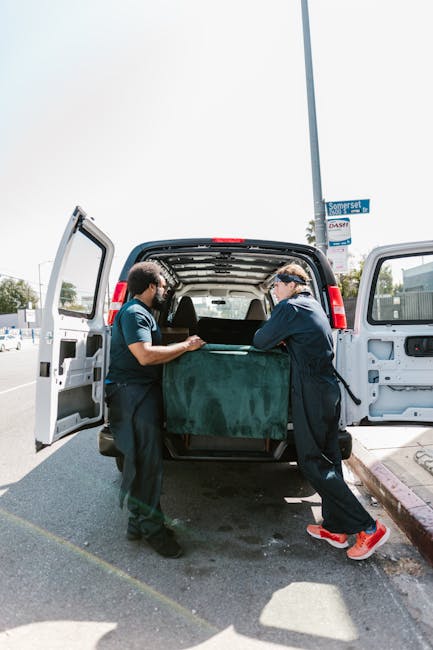
If you're trying to work out Man vs Van vs Van+Team: Mitcham removal costs, you're probably at that awkward stage where the move is real enough to budget for, but not quite real enough to feel organised. One option sounds cheap, another sounds safer, and both can end up being the right answer depending on what you're actually moving. That's the bit people often miss.
In Mitcham, where streets can be tight, parking can be fiddly, and a "quick" move can suddenly become a two-hour puzzle, the choice between a simple man and van and a van+team setup matters more than it first appears. This guide breaks down how the pricing works, what you get for your money, and how to choose the right service without overpaying or underbooking. You'll also see where pricing and quotes fit into the decision, plus how to keep the move calm, efficient, and-ideally-free of last-minute drama.
Why Man vs Van vs Van+Team: Mitcham removal costs Matters
The price difference between a man and van and a van+team service is not just about adding another person. It changes the pace of the move, how safely furniture is handled, how many trips are needed, and how long the job takes. In other words, the labour mix can be just as important as the vehicle.
For many Mitcham moves, the cheapest quote is not always the cheapest move overall. A solo mover with a van might look great on paper, but if you've got a sofa bed, a few heavy boxes, and a top-floor flat, the extra time can quickly eat into the savings. By contrast, a two-person team can cost more upfront yet reduce delays, awkward lifting, and the risk of damage. Truth be told, that is often where the real value sits.
Location matters too. Mitcham has the kind of local conditions that can change the quote in small but meaningful ways: access to the property, distance to parking, number of stairs, whether there's lift access, and whether the loading point is a straightforward kerbside stop or a narrow residential street. If the vehicle can't park close, time stretches. And time, as you'd expect, costs money.
If you want to compare wider removal options, it can help to look at the full range of removal services rather than thinking only in terms of van size. The best fit is usually the one that matches the volume, fragility, and urgency of your move.
How Man vs Van vs Van+Team: Mitcham removal costs Works
Most removal pricing is built around a simple formula: time + vehicle + labour + access. The exact way each provider packages that formula varies, but the same basic logic usually applies. With a man and van, you are typically paying for one person who drives, loads, unloads, and manages the move. With van+team, you're paying for a driver plus at least one helper, which increases labour cost but usually speeds everything up.
That difference matters because moving is rarely just transport. It is handling, lifting, navigation, packing sense, and a bit of judgement. A sofa that needs to be turned sideways in a narrow hallway is a very different job from a few boxes and a small dresser. A good crew can solve those little issues before they become expensive ones.
In practical terms, a solo van job can work well if:
- you have a small load
- the properties are easy to access
- you can help with lifting
- the move is local and straightforward
A van+team setup is often better when:
- you have bulky or heavy furniture
- you want the move completed faster
- you cannot safely help lift
- you're moving from or into a flat, maisonette, or awkward access property
If you're moving a full house rather than a small load, services like house removals or home moves may make more sense than trying to force everything into a basic man-and-van setup. It's the old "fit the tool to the job" thing. Bit obvious, but easy to ignore when you're watching the budget.
A useful rule of thumb: if the move needs one person to keep running back and forth while the other waits, it may be too much for a solo service. Waiting time adds up. A second pair of hands often reduces the total job duration enough to justify the higher labour rate.
Key Benefits and Practical Advantages
The right choice is not only about the headline cost. It's about what you get for it on the day, when the kettle is packed, the hallway is full, and everyone is a bit tired already.
Why a man and van can be the better-value option
- Lower upfront cost for smaller jobs
- Flexible for single-item or few-item moves
- Often ideal for student moves, small flat moves, and local pickups
- Useful when you have your own help available
Why van+team can save money in the real world
- Faster loading and unloading
- Less physical strain on you
- Better for heavy, fragile, or awkward items
- Can reduce total hours charged on larger jobs
There's also a stress factor, and let's be honest, stress has a cost even if it never appears on the invoice. Two people can handle stairs more safely, keep momentum up, and reduce those awkward pauses where everyone is stood around deciding whether a wardrobe is going through the door upright or on a diagonal. Spoiler: it usually needs the diagonal.
Another advantage is risk control. A van+team is often the smarter call if you have items that need careful handling, such as mirrors, glass tables, or large wardrobes. For those situations, pairing the move with packing and unpacking services can also improve protection and save a fair bit of hassle.
Who This Is For and When It Makes Sense
Different move types call for different setups. That sounds obvious, but many people choose by price alone and then realise, halfway down the stairs, that the "budget" option is no longer a bargain.
Man and van usually suits:
- students moving between rooms or small flats
- single-item furniture moves
- small loads bought from online marketplaces
- light local moves within Mitcham or nearby
Van+team usually suits:
- family homes with multiple rooms of furniture
- older properties with stairs or tighter access
- people who can't safely lift heavy items
- small office or business moves
If you are planning a workplace move, the logic changes again. Office furniture, IT kit, filing, and awkward workstations can be time-consuming in a different way. In that case, office removals or commercial moves may be better aligned with the job than a standard domestic man and van service.
For customers who only need one item moved, a service like furniture pick up can be the sweet spot. You get the right vehicle and handling without paying for capacity you won't use. Nice and tidy. No drama.
Step-by-Step Guidance
If you want to make a sensible cost decision, use a simple process. It saves a lot of back-and-forth later.
- List everything you're moving. Be honest. The extra lamp, the chair in the spare room, the awkward plant pot-write it all down.
- Measure the biggest items. Not every box needs a tape measure, but sofas, beds, wardrobes, and desks do.
- Check access at both ends. Stairs, lifts, parking, loading distance, and doorway width all affect the time needed.
- Decide whether you can help. If you can't lift or carry, don't budget as though you can.
- Compare what is included. Some quotes cover labour, fuel, and waiting time differently. Read carefully.
- Ask about timing. A move that starts early may avoid traffic and reduce waiting. In Mitcham, timing can make a real difference.
- Book the service that fits the actual job. If in doubt, choose the setup that gives you enough capacity rather than the one that just looks cheapest.
When you're comparing providers, it helps to understand whether they are acting more like a flexible man and van option or a broader movers service. That small distinction can affect how they price labour, access, and time.
And yes, it's a bit annoying to gather all the details. But it's far less annoying than paying extra because the quote missed a wardrobe or underestimated the number of stairs. Been there, regretted that.
Expert Tips for Better Results
A good removal job usually comes down to preparation more than heroics. The crew can only work with what you give them, and the better the setup, the smoother the day.
- Keep walkways clear. That sounds basic, but clutter slows everything down.
- Label boxes by room. It saves time at unloading and makes the first hour in the new place less chaotic.
- Take apart bulky furniture in advance. Beds, tables, and shelving are often easier to move in pieces.
- Protect floors and corners. A simple bit of foresight can prevent scrapes and complaints later.
- Reserve parking where needed. If the vehicle has to park far away, the job gets longer. Simple as that.
- Keep essentials separate. Kettle, chargers, documents, medication, keys. Put them in one bag and keep them with you.
One practical thing many people forget is access on arrival. The new place may be easier than the old one, or it may be worse. A quick check of entrance steps, lift size, and turning space can save a lot of time on moving day. The difference between "fine" and "tight" often becomes obvious only when the mattress is halfway through the doorway. Not ideal.
If you want a more structured approach, consider combining the move with man with van removal for smaller domestic jobs, or house movers when the move is more involved. It's not about using the fanciest label; it's about matching labour to workload.
Common Mistakes to Avoid
The biggest mistake is assuming all removal quotes mean the same thing. They don't. One quote may seem lower because it excludes enough labour, waiting, or handling time to make the comparison meaningless.
- Booking too little capacity. This is the classic one. The van is fine; the time is not.
- Ignoring access issues. A ground-floor flat and a third-floor walk-up are not priced the same for good reason.
- Underestimating heavy items. Two people can shift a wardrobe more safely than one person forcing it through a narrow gap.
- Not confirming what the quote includes. Fuel, mileage, stair carries, and waiting time can all matter.
- Leaving packing too late. The move day becomes slower, messier, and often more expensive.
- Forgetting insurance and safety checks. If you want reassurance, choose a provider that is clear about insurance and safety.
Another common issue is assuming you'll "just help a bit" on the day. Sometimes that works. Sometimes it doesn't. If the move involves stairs, heavy lifting, or awkward furniture, the difference between helping and getting in the way is thinner than people think.
For readers who want more structure around supplier trust, a reputable removal company should be able to explain what affects the job length, not just quote a headline figure and hope for the best.
Tools, Resources and Recommendations
You do not need a truck full of fancy equipment to organise a good move. In most cases, a few sensible tools and a little preparation go a long way.
Useful things to have ready
- strong boxes in a consistent size where possible
- packing tape and marker pens
- bubble wrap or protective wrap for fragile items
- basic tools for dismantling furniture
- blankets or covers for protected transport
- a clear list of items and access notes
Useful service pages to review before booking
- pricing and quotes for understanding how estimates are put together
- removals for broader move planning
- removals near me if you're comparing local options
- removal van if you want a vehicle-focused solution
- moving van if your move is light but still needs proper transport
It can also help to think about the move in layers: transport, handling, packing, and peace of mind. If the whole thing feels too much, the right support is often a blend of vehicle size and labour rather than one "perfect" option. That's usually how the better moves are built.
Law, Compliance, Standards, or Best Practice
Removal work involves physical handling, road use, property access, and often the transport of valuable household goods. So while this is not a heavily regulated topic in the way some industries are, there are still important best-practice expectations worth taking seriously.
Good practice in the UK usually means a provider should be clear about:
- what is included in the quote
- how items will be handled safely
- whether goods are covered by suitable insurance arrangements
- how payments are taken and protected
- what to do if a complaint or issue arises
That is why pages such as payment and security, terms and conditions, and complaints procedure are worth checking before you book. They tell you how the service expects to work, which is quietly reassuring when you're trusting someone with your belongings.
Health and safety matters too. Safe lifting, sensible loading, and careful movement through hallways are not just nice-to-haves; they are basic expectations. If you are moving office equipment or stock, it's especially sensible to look at health and safety policy information and any guidance that applies to the specific move.
For businesses, the expectations are a little different again. Office relocation should be planned around downtime, access, and item protection. A move that looks simple can become awkward once desks, monitors, cabling, and documents enter the picture. A bit of planning prevents a lot of faff, honestly.
Options, Methods, or Comparison Table
Here is a practical comparison of the most common choices. This is not a one-size-fits-all rulebook, but it will help you see where the value usually sits.
| Option | Best for | Typical cost shape | Main strengths | Common drawbacks |
|---|---|---|---|---|
| Man and van | Small loads, single items, light local moves | Usually lower upfront, often more budget-friendly by the hour or job | Cheap, flexible, simple to arrange | Slower for heavy or bulky jobs, less ideal if you cannot help |
| Van+team | Medium moves, stairs, heavier furniture, time-sensitive jobs | Higher labour cost, but often better value overall for larger jobs | Faster, safer handling, less strain on you | Higher headline price than a solo service |
| House removals | Full home moves and larger family relocations | Broader service cost, usually more comprehensive | Better for full property moves, more support | Can be more than you need for a small job |
If you are unsure which row you fit into, start with the actual workload rather than the service name. A small flat with lots of heavy furniture may need van+team. A modest room move may only need a simple man with a van setup. The move decides the service, not the other way around.
Case Study or Real-World Example
Picture a typical Mitcham move on a damp Saturday morning. Not torrential rain, just that grey, slightly stubborn kind where everything feels a little heavier than it should. One customer is moving from a first-floor flat into a terraced house a short drive away. The load includes a double bed, mattress, two wardrobes, a sofa, and a stack of boxed kitchen items.
At first glance, a one-person man and van quote seems attractive. But once access is considered-stairs at the flat, limited roadside space, and the need to manoeuvre furniture through a narrow hallway-the job becomes more time-consuming than expected. The risk is not just delay. It is fatigue, repeated lifting, and the possibility of damage to both furniture and walls.
In that scenario, a van+team setup makes more sense. The second person can manage the sofa while the first handles the route and loading order. The job finishes faster, the furniture is handled more smoothly, and the customer is not left trying to be an unpaid second mover after all. That's the sort of decision that tends to save money overall, even if the quote looks a little higher at the start.
For a smaller move-say, a chest of drawers, a few boxes, and some boxed-up home bits-a single-vehicle service would probably be enough. The key is matching the setup to the real volume and handling needs. Once you do that, the cost picture becomes much clearer.
Practical Checklist
Use this checklist before you book. It keeps the decision grounded and stops you getting distracted by the cheapest headline figure.
- List every item to be moved
- Note stairs, lifts, and parking issues at both addresses
- Measure bulky furniture
- Decide whether you can assist with lifting
- Compare what each quote includes
- Ask how waiting time or delays are handled
- Check insurance and safety information
- Confirm payment terms before the move day
- Separate essentials you want to keep with you
- Book extra help if the move feels even slightly too large for one person
If you have a mix of boxes, furniture, and a few awkward items, it can also help to ask whether the provider offers broader removal services rather than only transport. Sometimes that extra support is exactly what turns a stressful move into a manageable one.
Get a free quote today and see how much you can save.
Conclusion
Choosing between man and van and van+team for a Mitcham move is really a question of balance. If your load is light and access is straightforward, a solo service can be the smarter, leaner option. If the furniture is bulky, the stairs are awkward, or time matters more than squeezing out the lowest quote, a van+team usually delivers better value.
The best removal decision is rarely the cheapest-looking one. It is the one that fits the job, protects your belongings, and keeps the day moving without unnecessary friction. That's the whole game, really. Get the right amount of help, and everything gets easier.
And if the move feels bigger than you first thought, that's normal. Most moves do. Take a breath, plan it properly, and you'll be fine.
Frequently Asked Questions
What is the difference between man and van and van+team removal costs in Mitcham?
Man and van usually means one person handling the driving and lifting, while van+team includes at least two people. The team option costs more upfront but often finishes faster and handles heavy items more safely.
Is a man and van always the cheapest option?
Usually it has the lowest starting price, but not always the lowest overall cost. If the job takes longer because one person is doing everything, the total can rise. A van+team can sometimes be better value for medium-sized moves.
When should I choose a van+team instead of a solo mover?
Choose van+team when you have bulky furniture, stairs, awkward access, or no help available. It is also a sensible choice if speed and reduced physical strain matter more than the absolute cheapest quote.
Do Mitcham removal costs change depending on access?
Yes, access is one of the biggest price drivers. Stairs, long carries, tight parking, and difficult loading points can all increase the time needed, which affects the final cost.
How do I compare quotes properly?
Check what each quote includes, such as labour, fuel, waiting time, and handling. Make sure you are comparing like for like. A cheaper quote is not useful if it leaves out the parts your move actually needs.
Is van+team worth it for a small flat move?
Sometimes yes, especially if the flat is upstairs or the furniture is heavy. If the move is mostly boxes and light items, man and van may be enough. The access and load matter more than the property type alone.
Can I help with loading to reduce the cost?
Often you can, but only if it is safe and agreed in advance. If you cannot lift properly or the items are too awkward, it is better to book the right level of help rather than risk injury or delays.
What items usually need extra care during a removal?
Glass tables, mirrors, large wardrobes, mattresses, televisions, and anything fragile or awkwardly shaped usually need more careful handling. Packing and planning matter here, and extra labour can be worth it.
Are office moves priced differently from home moves?
Yes, they often are. Office removals may involve desks, IT equipment, filing, and tighter timing around business hours. That can change both the labour needed and the planning involved.
What should I check before booking a removal service?
Check the quote, insurance and safety information, payment terms, and how complaints are handled. It is also wise to confirm access details, item list, and timing well before the move day.
Does packing affect the overall cost?
Absolutely. Well-packed boxes are faster to load, safer to carry, and less likely to cause delays. If you want to reduce stress, packing support can be worth considering for larger or more fragile moves.
How do I know whether I need a removal van or a full removals service?
If you are moving a smaller load, a removal van or man and van setup may be enough. If you are moving a whole home, lots of furniture, or a mix of fragile items, a broader removals service is usually the better fit.