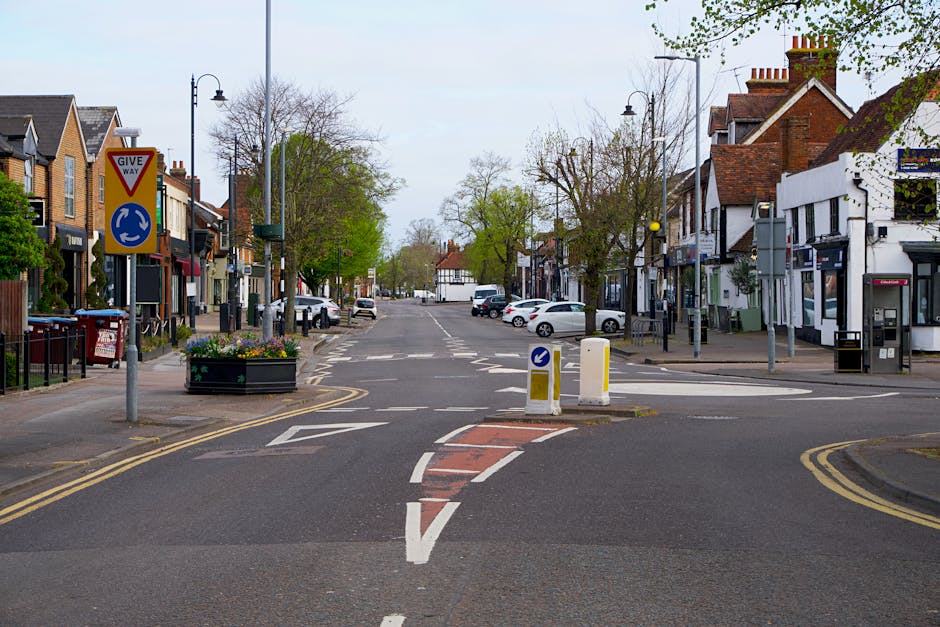
Avoid fines: double yellow rules for Mitcham moving vans
If you are moving in Mitcham, the stretch of road outside your property can matter just as much as the boxes inside it. One wrong parking choice, and a smooth moving day can turn into a stressful knock-on of delays, tickets, and awkward phone calls. This guide to Avoid fines: double yellow rules for Mitcham moving vans explains how to park more carefully, what usually causes penalties, and how to plan a move around local restrictions without making the whole day feel like a puzzle.
Truth be told, most moving problems are not dramatic. They are small timing issues, a van left too long, or a loading bay assumption that turns out to be wrong. The good news? With a bit of planning, you can avoid the common traps and keep the move moving. And if your day is already feeling packed, a little local know-how goes a long way.
Table of Contents
- Why the rules matter in Mitcham
- How double yellow parking works for moving vans
- Key benefits of getting it right
- Who needs this guidance most
- Step-by-step approach for a safer parking plan
- Expert tips from real moving-day experience
- Common mistakes that trigger fines
- Tools, resources and practical recommendations
- Compliance, best practice and local caution
- Parking options compared
- A realistic Mitcham moving-day example
- Practical checklist
- Conclusion
- Frequently asked questions
Why Avoid fines: double yellow rules for Mitcham moving vans Matters
Double yellow lines are simple in theory and frustrating in practice. They usually mean no waiting at any time, unless a specific exception applies. For moving vans, that can create a headache because the most convenient place to stop is often the least compliant place to leave the vehicle.
In Mitcham, that matters even more because many streets are tight, busy, or lined with homes that make roadside loading feel like the obvious answer. But obvious does not always mean allowed. If you stop on double yellows without understanding the restriction, you may face a penalty, or be moved on at the exact moment you are carrying a sofa through the front door. Not ideal. Not even close.
There is also the ripple effect. A delayed van can hold up builders, cleaners, tenants handing over keys, and anyone else waiting for the property to be clear. That is why parking planning is not just a compliance issue; it is part of the move itself. If you are already using stress-free moving advice, think of parking as one of the most important pieces of the puzzle.
Expert summary: the safest approach is not to assume you can pause on double yellows "just for a minute". In moving work, those minutes add up quickly, and that is exactly when trouble starts.
How Avoid fines: double yellow rules for Mitcham moving vans Works
At a practical level, the rules are about where the van is stationary, for how long, and whether any loading or unloading exemption can reasonably apply. A moving van may sometimes be allowed to stop briefly for genuine loading or unloading, but that does not create a free-for-all. It needs to be necessary, active, and proportionate.
That phrase sounds formal, but the idea is simple. If you are carrying items between the property and the vehicle, and the van is stopped only for as long as required, you are in a different situation from someone who parks for convenience and disappears inside for tea. Local enforcement officers tend to look at the real activity on the ground, not just the story afterwards.
For Mitcham moves, this usually means you need to think in layers:
- Is the stop genuinely for loading or unloading?
- Can the van be kept there only briefly?
- Is there a safer, clearer place nearby?
- Would another arrangement remove the risk completely?
That is where planning pays off. If your street access is awkward, you may be better off using a nearby legal parking space, a pre-arranged permit where applicable, or a different arrival window. The smallest route change can spare you a lot of grief.
It also helps to think about the size of the vehicle. A compact van and a longer removal vehicle are not treated the same in practice because they create different road-space pressures. If you are choosing between options, pages like man with a van in Mitcham and removal van options can help you think through the scale of vehicle you actually need.
Key Benefits and Practical Advantages
Getting the parking side right saves more than money. It protects time, reduces stress, and helps the move feel controlled rather than chaotic. That may sound obvious, but on moving day the obvious things are often the first to go out the window.
Here are the main benefits people notice when they plan properly:
- Fewer fines and warnings. You reduce the chance of avoidable enforcement action.
- Smoother loading. Crews can work without constantly checking whether the van needs to be moved.
- Less risk of last-minute re-routing. No panicked search for a legal space with mattresses halfway out the door.
- Better timing. A clear parking plan keeps removal slots on track.
- Lower physical strain. Shorter carrying distances help with heavy or awkward items.
That last point is easy to miss. A poor parking spot does not just cost time; it increases the distance between door and vehicle. Carrying a washing machine, a desk, or even a heavy stack of boxes a few extra metres can make the day feel much harder. If you want to understand safer lifting alongside parking, kinetic lifting techniques are worth a look.
There is also a customer-experience angle. If you are moving out of a flat, house, or office, a tidy parking setup makes the whole job look and feel more professional. That matters when neighbours are watching, the landlord is nearby, or the next occupant is already waiting at the front gate.
Who This Is For and When It Makes Sense
This guidance is for anyone using a van for a move in Mitcham where roadside parking might be tight, restricted, or simply expensive in time and stress. That includes homeowners, tenants, students, small businesses, and anyone arranging a same-day or short-notice move.
It is especially useful if you are dealing with:
- narrow residential streets
- rows of terraced houses with limited driveways
- flat moves where stair time already eats into the schedule
- office relocations with timed access windows
- bulky furniture that needs the van as close as possible
If your move is simple, on a wide street, and you have private off-road space, you may need less planning. But even then, it is worth checking what happens if the first plan fails. A neighbour's car, roadworks, or a delivery truck can change the picture very quickly. On a grey morning, with half the street already awake and moving, you will notice how fast a neat plan can wobble.
For flat moves in particular, it is often smarter to think ahead about access, lift time, and van placement together. That is why many movers read up on flat removals in Mitcham before booking, especially if the building access is awkward.
Step-by-Step Guidance
A practical plan beats guesswork every time. If you are moving a van into a Mitcham street with double yellows nearby, use this sequence.
- Map the address and the surrounding streets. Look at the property itself, then the two nearest side roads. In many cases, the best parking solution is not right outside the door, but one street over.
- Identify any obvious restrictions. Double yellows, residents' bays, single yellows, school markings, and loading bans can all affect where the van can sit.
- Decide whether you need a formal permit or alternative arrangement. For some moves, pre-arranged parking permissions are the safer route. If the rules feel unclear, read up first and keep the move flexible.
- Estimate how long loading will actually take. Be honest. One sofa and a few boxes is different from a full family house with drawers, white goods, and awkward stairs.
- Choose the least disruptive stop point. If you can legally load from a nearby lawful position, that is often better than trying to "just pop" onto double yellows.
- Assign one person to parking awareness. During busy moves, one person should keep an eye on the van, the street, and any changes. It sounds small. It saves headaches.
- Load in the right order. Put the first-load essentials nearest the exit. A quicker load means a shorter parking window, which is exactly what you want.
If the move is short notice, you may also want to combine parking planning with rapid packing. The guides on packing for a big move and decluttering before moving can help reduce the total number of trips.
A quick rule of thumb
If a parking choice makes the job slower, riskier, or more awkward than it needs to be, it is probably not the best choice. Simple as that.
Expert Tips for Better Results
The people who avoid parking fines most reliably are not lucky. They are usually organised. A few habits make a real difference.
- Arrive earlier than you think. A 10-minute buffer can save the whole schedule if a van space is blocked.
- Keep the van movable. Do not trap it in a spot where reversing out becomes a production.
- Use a spotter. A second pair of eyes matters on busy roads, especially where cyclists, pedestrians, and passing cars all compete for space.
- Protect the loading route. Try to keep the path from door to van clear. Every obstacle costs time.
- Reduce heavy-item stress. If you have a piano, sofa, freezer, or bed frame, plan that item first, not last.
For large or delicate items, parking and handling are connected. A piano move, for example, is not something you want to improvise with a van tucked awkwardly into traffic. If that sounds familiar, read piano removals in Mitcham before deciding how to stage the vehicle.
And here is one slightly unglamorous tip that helps more than people expect: keep the van keys where everyone can find them. You would be surprised how often a simple key hunt adds more delay than the actual parking decision. Moving day has a funny way of humbling everyone.
Common Mistakes to Avoid
Most fines happen because of assumptions. The road looks quiet, the stop feels brief, or everyone else seems to be doing the same thing. That is exactly where people get caught out.
- Assuming loading always overrides restrictions. It does not. There are limits, and the circumstances matter.
- Leaving the van unattended for too long. A true loading stop should still look like an active move.
- Parking where access is convenient but visibility is poor. If enforcement or traffic is an issue, the risk rises fast.
- Forgetting that moving takes longer than expected. One trip becomes two, then three. That is how trouble starts.
- Ignoring neighbours, dropped kerbs, or blocked access. Even if the vehicle is technically "near" the property, the practical effect matters.
A common one in Mitcham is underestimating the street layout. London roads can look manageable on a map and then feel much tighter in real life, especially with larger vehicles. If your route includes awkward turns or limited stopping options, a local access plan such as this narrow-street removals guide can be useful background.
Another mistake is leaving the parking question until the night before. By then, you are already dealing with packing tape, missing labels, and someone asking where the kettle is. Not the moment for detective work.
Tools, Resources and Recommendations
You do not need complicated kit to avoid parking trouble. What you need is a clean process.
- Street photos. Take quick pictures of the parking area before the move. They help you remember the layout and can be useful if you need to explain what happened later.
- A simple written schedule. List arrival time, lift-out time, parking backup options, and who is handling what.
- Boxes and labels. Clear labelling reduces the number of unnecessary trips between house and van.
- Protective equipment. Gloves, blankets, straps, and trolleys reduce delays caused by awkward handling.
- A backup parking plan. This is the real one. If the first spot is gone, what next?
For furniture-heavy moves, you may also want to prep items in advance. The practical advice on furniture removals in Mitcham and moving beds and mattresses can make the loading stage much easier.
If you are moving from a student flat, the approach can be different again: smaller loads, tighter timing, and a greater chance of mixed access rules around the building. In that case, student removals in Mitcham may be the more useful starting point.
Law, Compliance, Standards, or Best Practice
Parking restrictions in the UK are not something to wing it on. Double yellow lines are generally treated as a no-waiting restriction, and moving-day loading exemptions are not blanket permissions. You need to stay within the practical and legal boundaries that apply on the day.
The safest way to think about it is this: if your vehicle is stopped for genuine moving activity, and that stop is brief and necessary, you are in a stronger position. If the van is parked because it is the easiest place, that is much weaker. Local enforcement teams usually focus on what is actually happening, not what was intended.
Best practice also means respecting the wider street environment. Keep dropped kerbs clear. Avoid blocking driveways. Do not leave the van so it straddles the pavement that pedestrians have to squeeze around it. That sort of thing can quickly create complaints, and quite rightly.
For a company-backed move, it is sensible to check that the mover has clear health and safety procedures and proper insurance in place. If you want a sense of the standards a professional operator should think about, the pages on health and safety and insurance and safety are useful reading.
And yes, if your move touches permits or access permissions, build in extra time. The law does not bend because the sofa is heavy. That would be nice, but no.
Options, Methods, or Comparison Table
Here is a simple comparison of common parking approaches for a Mitcham move. The right choice depends on the street, the size of the van, and how much time you have.
| Approach | Best for | Upside | Main risk |
|---|---|---|---|
| Stopping briefly near double yellows for active loading | Short, clearly active moves with strong time control | Closest possible access | Easy to overstay or misunderstand the limit |
| Using a nearby legal space | Most residential moves | Lower fine risk | Slightly longer carrying distance |
| Pre-planned permit or managed access arrangement | Trickier streets and timed moves | More certainty and less disruption | Requires preparation |
| Two-vehicle or staged transfer | Large, awkward, or split-location moves | Can reduce pressure on the street outside the property | More coordination needed |
If you are unsure which option fits your move, it is usually safer to choose the one that reduces risk rather than the one that feels quickest on paper. A route that looks slower can actually be faster by the end of the day. Funny how that works.
Case Study or Real-World Example
Consider a typical Mitcham flat move on a weekday morning. The customer has a two-bedroom flat, a sofa, a bed, and several boxed kitchen items. The street outside has double yellows on one side and resident parking on the other. There is no driveway.
The first instinct is to stop right outside the building for speed. But after checking the street, the mover instead parks a short walk away in a lawful space, then brings out the larger items first while one person keeps the van accessible. It adds a few extra steps, yes. But the loading stays calm, the van never sits awkwardly on restricted markings, and the move finishes without any fine or complaint.
That sort of result is boring in the best possible way. No drama, no enforcement attention, no scramble. Just a move that happens. In real life, boring is often what you want.
In a different case, a same-day office move in Mitcham used a tighter schedule and a more careful loading order, after checking the broader plan through same-day removals in Mitcham. The lesson there was simple: when timing is compressed, parking has to be decided before the first box is lifted.
Practical Checklist
Use this checklist on the morning of the move.
- Confirm the van size and loading plan
- Check the street outside the property and the nearest backup road
- Look for double yellow lines, single yellows, bays, and dropped kerbs
- Decide where the van will stop if the first spot is blocked
- Keep loading active and continuous where possible
- Assign one person to parking awareness
- Load heavy and bulky items first
- Keep pathways clear for safe carrying
- Have a contact point for any last-minute decision
- Leave extra time for traffic, access delays, and short interruptions
If you are still in the planning stage, it can also help to review your packing sequence and remove anything you no longer need. A leaner move is easier to park for. That is not marketing fluff; it is just the truth.
Conclusion
Avoiding fines around double yellow lines is really about respect, timing, and common sense. In Mitcham, where access can be tight and streets can change character from one block to the next, the best moving van plan is usually the one that gives you the least drama and the most certainty.
Plan the parking first. Then the lift. Then the route. If you get those three pieces right, the rest of the move becomes much easier. And if you are feeling overwhelmed, that is completely normal. Most people are. The trick is not to do everything at once. Just get the next step right.
Get a free quote today and see how much you can save.
Frequently Asked Questions
Can a moving van stop on double yellow lines in Mitcham?
Sometimes a brief stop for genuine loading or unloading may be allowed, but it is not a blanket permission. The stop needs to be necessary, active, and kept to the minimum practical time.
How long can a moving van stay on double yellows?
There is no universal "safe" time to assume. The key issue is whether the vehicle is actively loading or unloading and whether the stop is reasonable for the task.
What happens if a van gets fined during a move?
A fine can disrupt the whole moving schedule, add cost, and create more stress on an already busy day. It can also force you to rework parking mid-move, which is rarely pleasant.
Do I need a permit for a Mitcham moving van?
It depends on the location, the street layout, and the type of parking available. Some moves can be handled with careful legal parking, while others are safer with a managed parking arrangement.
Is loading on double yellow lines always illegal?
No, not always. But the allowance is narrow and depends on the circumstances. The safest approach is to treat the restriction seriously and use it only where a genuine loading exemption clearly applies.
Should I book a smaller van to make parking easier?
Sometimes, yes. A smaller van can be easier to place in tight streets. But you should balance that against the number of trips required, because too many runs can also create problems.
What if there is nowhere legal to park near my property?
Use a backup plan. That may mean a nearby lawful space, a different arrival time, or a more structured access arrangement. The aim is to avoid improvising on the spot.
Are flat moves riskier for parking fines?
They can be, mainly because access is often tighter and loading takes longer. A good flat move plan should include parking, lift use, and carrying distance all at once.
How do I reduce the time the van spends outside my house?
Pack thoroughly, label boxes clearly, carry out the largest items first, and keep a clear route from the property to the van. A well-organised team makes a big difference here.
What should I do if another vehicle blocks my chosen spot?
Have a backup street or lawful space ready in advance. Do not start guessing under pressure. A quick change of plan is much better than forcing a risky stop.
Do same-day moves make double yellow issues worse?
They often do, because there is less time to think through access and parking. That said, with a clear plan and the right vehicle, same-day moves can still go smoothly.
Where can I read more about moving safely and planning the job properly?
Helpful starting points include stress-free moving tips, packing guidance, and the broader services overview if you want to understand the moving process more fully.